
Laser cutting calculator
Calculate the cost of laser cutting, cut length, and optimal parts layout on a material sheet – free and without registration
The cost of laser cutting depends on the cut length, number of pierce points, material, and nesting layout. This calculation can be done manually or with software. The laser cutting calculator performs these calculations automatically: you upload the drawings, the service measures the geometry, arranges the parts optimally on the sheets, and generates a cost estimate
Features
Calculation of parameters
- Upload your part's drawing in DXF format
- The calculation results will be displayed on the screen and available for download in PDF format

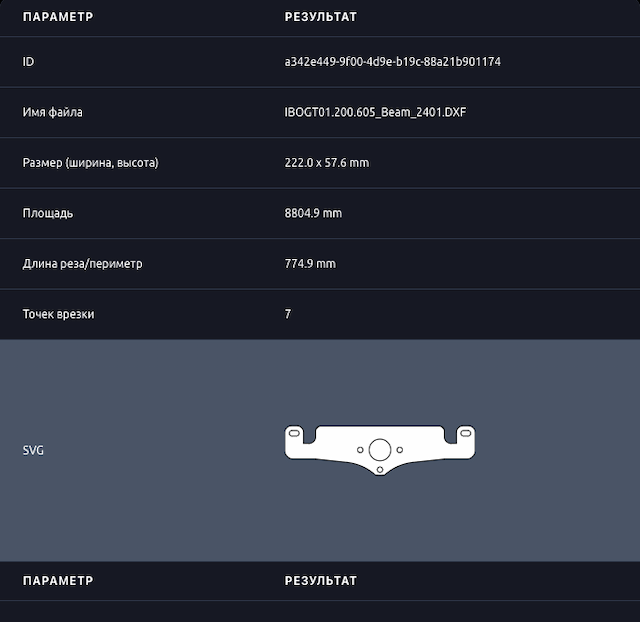
Parts Nesting and Laser Cutting Cost Calculation
- Upload up to 30 parts at once
- Enter the required quantity of parts, set the nesting parameters and the specifications of the material sheet the parts will be made from
- Optimal layout of parts on the sheet with export to DXF and SVG. A cost estimate based on part quantity, material, thickness, and cutting layout, in Excel and PDF format
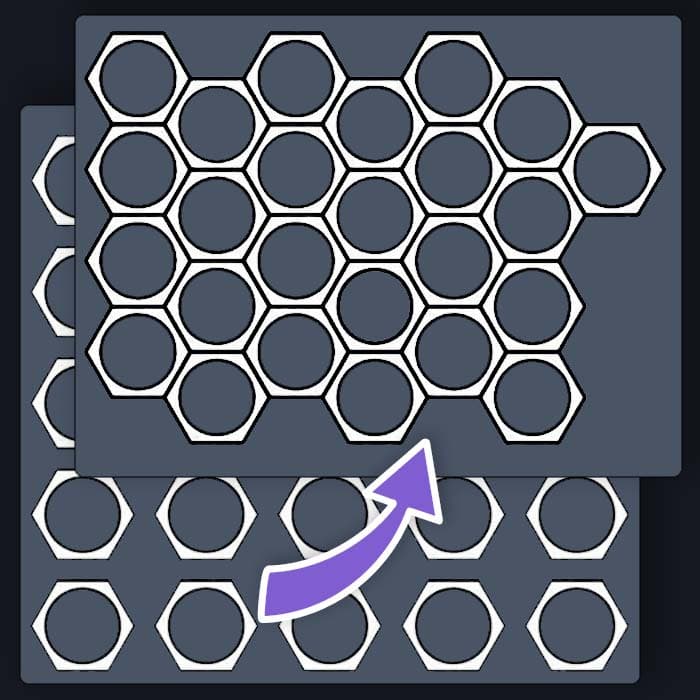
Online Laser Cutting Calculation
Frequently Asked Questions
Most sheet materials: steel, stainless steel, aluminum, brass, acrylic, plywood, wood, cardboard, leather and rubber. Specific thicknesses and modes depend on the shop's equipment.
DXF is ideal. If you have SVG, DWG or a raster image, first use a converter to DXF, then upload the file to the calculator or nesting.
The core tools – parameter calculation, converters and the DXF viewer – are available free and without registration.
Cut length is the total perimeter of all part contours, while pierce points are the places where the beam punches through the material before each closed contour. Both values directly affect processing time and cost; the laser cutting calculator computes them automatically.
The calculation is based on the real drawing geometry, material and thickness, so it gives a close-to-final estimate. The shop refines the final price based on its equipment and workload.
Nesting is the automatic arrangement of parts on a sheet with the tightest possible packing. It saves material and reduces the number of sheets, which matters especially in batch production and with expensive materials.